President Tinubu has done more for economic growth than previous administrations – IMPI
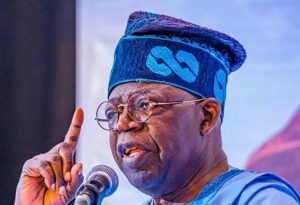
The Independent Media and Policy Initiative (IMPI) has said that Tinubu has done more to strengthen the economy and attract foreign capital to Nigeria than previous administrations did with multiple oil windfalls.
In a policy statement signed by its Chairman Dr Omoniyi Akinsiju, the think tank noted that successive administrations between 1999 and 2015 failed to convert this historical windfall into enduring industrial assets or diversified non-oil growth.
Acccording to IMPI, previous administrations deployed surplus capital into short-term consumption, debt clearance of $12 billion paid to Paris Club creditors in the case of former President Olusegun Obasanjo, and the funding an unconstitutional Excess Crude Account (ECA).
The policy group said: “Because the ECA lacked constitutional backing, state governors routinely forced distributions that depleted the fund from $22 billion in 2008 to under $3 billion by 2014 with the funds predominantly used for recurrent public sector consumption rather than capital infrastructure.
“Furthermore, the Central Bank of Nigeria (CBN) during this period utilized foreign exchange earnings to artificially peg the Naira, subsidizing cheap consumer imports and routing billions of dollars towards imported refined petrol while domestic refineries lay in disrepair.
“When global oil prices crashed in late 2014, Nigeria was left without structural buffers, sliding into a severe currency crisis and its first major recession in decades by 2016, with national poverty rates surging to between 45% and 53%.
The think tank further averred that the severe structural vulnerabilities inherited after 2014 plunged Nigeria into consecutive current account deficits,bottoming at $17 billion in 2019 and $15.8 billion in 2020.
“Recognizing that defensive interventions and price controls could no longer sustain the economy, bold market corrections were initiated in 2023 under President Bola Ahmed Tinubu’s administration centered on FX unification and petrol subsidy elimination.
“While these painful corrections initially induced elevated domestic inflation and currency depreciation, they successfully re-engineered Nigeria’s external balance sheets.
“Consequently, Nigeria has transitioned from volatile deficits to a multi-year streak of current account and merchandise trade surpluses, expanding gross foreign reserves from $45 billion to $55 billion by Q3 2026 (providing over 14months of import cover),” IMPI surmised.
“The current policy regime has taken the harder, necessary path—dismantling unsustainable subsidies and market distortions to build a self-sustaining economy backed by real productivity and robust external buffers.”
Describing the factors that are credited to the reinvigorated national economy, IMPI noted that domestic refining integration has converted Nigeria from a net fuel importer into a regional exporter of refined products across West Africa, while non-oil exports especially agricultural produce, solid minerals, and industrial chemicals have surged significantly.
In part recognition of this, credit rating agencies including Moody’s, Standard & Poor’s, and Fitch have upgraded Nigeria’s sovereign ratings and outlooks, lowering international borrowing costs and driving historical capital gains on the Nigerian Exchange (NGX).