Kwara Govt., UNICEF, WHO enlist religious leaders to tackle vaccine myths
By Fatima Mohammed-Lawal
Ilorin – The Kwara Government, in collaboration with the United Nations Children’s Fund (UNICEF) and the World Health Organisation (WHO), has called on religious leaders to help dispel myths and misconceptions surrounding vaccination and promote positive health-seeking behaviours in their communities.
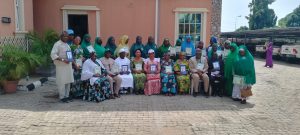
The call was made at a one-day orientation programme for religious leaders on promoting positive norms through the Faith-for-Life approach, held in Ilorin.
Speaking at the programme, Prof. Nusirat Elelu, Executive Secretary of the Kwara State Primary Health Care Development Agency, said traditional and religious leaders commanded trust and respect in their communities, making them critical partners in efforts to improve maternal and child health.
She explained that their involvement was crucial to reducing maternal, newborn and infant mortality, particularly by addressing cultural and religious beliefs that discouraged families from accessing essential healthcare services.
Elelu identified beliefs that discourage blood transfusion and Caesarean section as some of the factors contributing to preventable maternal deaths.
She urged religious leaders to acquire accurate health information to enable them to counter misinformation and promote the adoption of appropriate healthcare practices.
“We need people like you to strengthen health advocacy in our communities. You occupy positions of trust and are voices of authority as imams and pastors.
“We need your support in addressing the challenges of maternal, newborn and infant mortality, immunisation, hygiene and sanitation, and child protection,” she said.
The executive secretary stressed that protecting the health and survival of women and children should be a collective responsibility involving government, development partners, healthcare professionals and religious institutions.
She also emphasised the importance of adequate antenatal care, reducing stillbirths, exclusive breastfeeding for the first six months of life and routine immunisation.
Elelu expressed concern that misconceptions, misinformation and cultural barriers often delayed healthcare-seeking behaviours and prevented families from accessing essential health services.
Also speaking, Mr Ibrahim Tsado, Social and Behaviour Change Specialist at the UNICEF Kaduna Field Office, urged religious leaders to take the lead in dispelling vaccine myths and misconceptions in their communities.
Tsado said vaccines were safe, approved and among the most highly regulated products globally, having undergone rigorous regulatory processes before approval for use.
He urged religious leaders to leverage their influence to promote accurate health information and encourage parents to ensure that their children received routine immunisation.
Similarly, Dr Eyitayo Emmanuel, WHO State Coordinator, reaffirmed the safety of vaccines, noting that they underwent rigorous testing and regulatory procedures before approval by the relevant authorities.
In her remarks, Dr Gloria Enueze, UNFPA State Coordinator, urged mothers to ensure that their children received routine immunisation to protect them against vaccine-preventable diseases.
She also encouraged pregnant women to receive recommended vaccines to protect themselves and their unborn children.
The Director of Primary Health Care Systems, Dr Michael Oguntoye, explained that vaccines underwent several stages of testing and regulatory scrutiny, including assessment by the National Agency for Food and Drug Administration and Control (NAFDAC), before being approved for use.
Oguntoye dismissed claims that vaccines were being used to reduce Nigeria’s population, describing allegations that vaccination programmes were designed for population control as unfounded.
He explained that financial support for vaccine programmes did not imply that donors independently manufactured the vaccines.
According to him, vaccines used in Nigeria are also used in countries such as the United States and the United Kingdom.
The News Agency of Nigeria (NAN) reports that participants at the programme were drawn from the Women Wing of the Christian Association of Nigeria (WOWICAN) and the Christian Association of Nigeria (CAN).
Others included members of the Federation of Muslim Women’s Associations in Nigeria (FOMWAN) and Jama’atu Nasril Islam (JNI).
Advertisement: