A Rejoinder: Truth, Integrity, and the Future of Kwara: Why Dr. Alabi Oluwatoyin Stands Apart By Bukola Olushola
By Bukola Olushola
In 2015, during a fiercely contested gubernatorial race in a West African country, a leading aspirant publicly claimed he had secured the endorsement of a revered former head of state, an influential figure respected across political and ethnic divides.
The campaign machinery quickly amplified the narrative. Flyers were printed, jingles composed, and rallies electrified by the supposed “blessing.”
However, within weeks, the elder statesman issued a firm rebuttal: “I have never met this man, nor do I know his policies.”
That singular statement dismantled the campaign’s credibility. The aspirant’s political ambition collapsed, not for lack of resources or structure, but because it was anchored on falsehood.
This cautionary tale resonates deeply within Nigeria’s political landscape. Time and again, aspirants have sought to manufacture legitimacy through fictitious endorsements, invoking the names of presidents, governors, traditional rulers, and influential stakeholders without verifiable consent.
Kwara State now appears to be confronting a similar pattern.
Recent claims suggesting that President Bola Ahmed Tinubu has endorsed certain aspirants, alongside reports of a so-called consensus among “Kwara South Elders” in favour of a “3SU” alliance, raise critical questions.
Where is the evidence? Where is the documented communiqué? Who precisely are these elders, and by what process was such consensus reached?
Kwara South is not a monolith. It is a diverse political constituency comprising 19 declared aspirants across distinct socio-political blocs— Omo-Ibile Igbomina, the Offa Descendants Union, the Oyun Political Bloc, and Ekiti-Kwara.
Any genuine consensus must reflect broad-based consultation, inclusivity, and transparency. Anything short of that risks being perceived as an imposition rather than a democratic resolution.
It must be emphasised that Kwarans are increasingly politically conscious and discerning. The era of blind allegiance and imposed candidacies is steadily giving way to informed choice and issue-based engagement.
Political theatrics, no matter how well choreographed, can no longer substitute for credibility. As the adage goes, one cannot build something enduring on a faulty foundation.
This is not to diminish the stature or contributions of any aspirant. Hon. Bashir Omolaja Bolarinwa, for instance, remains a respected figure within the political space. However, respect must be anchored in truth and due process.
Should any bloc, including Omo-Ibile Igbomina, arrive at a verifiable and collectively agreed endorsement through transparent engagement, such a decision would merit consideration. Until then, unverified claims must be approached with caution.
At this critical juncture, Kwara State requires leadership defined by integrity, competence, and measurable impact, not recycled political capital or opaque alliances. The future demands individuals who have demonstrated capacity beyond political rhetoric, leaders who build, create opportunities, and sustain value.
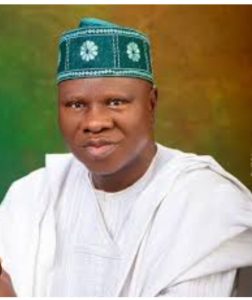
It is within this context that Dr. Oluwatoyin Tajudeen Alabi emerges as a compelling alternative.
Though not universally known within traditional political circuits, his record in the private sector and community development speaks volumes.
As the founder of a thriving institution employing hundreds and sustaining livelihoods over decades, his contributions reflect not theoretical promises but practical results.
Dr. Alabi represents a departure from entrenched political structures. He stands unburdened by the liabilities of past administrations and unrestrained by god-fatherism.
His approach signals a model of leadership grounded in merit, productivity, and inclusive governance.
Notably, his vision emphasises broad-based participation, where governance is not an exclusive preserve of a select few, but a platform that accommodates diverse voices, including constructive opposition.
This is a necessary paradigm for sustainable development in Kwara State.
As a development advocate and IT consultant based in Birmingham, United Kingdom, with enduring ties to Kwara, I align with the growing call for a leadership reset, one that prioritises substance over symbolism, performance over propaganda, and integrity over illusion.
Kwara stands at a defining moment. The choices made today will shape the trajectory of generations to come. It is, therefore, imperative that citizens interrogate narratives, demand accountability, and ultimately support candidates whose records and vision inspire confidence.
The time for political myth-making has passed.
The time for credible, forward-looking leadership is now.
Bukola Olushola
Development Evangelist & Advocate for a New Kwara