Foundation Rolls Out Autism School, Free Skills Training in Ilorin, Urges Action on Vulnerable Groups
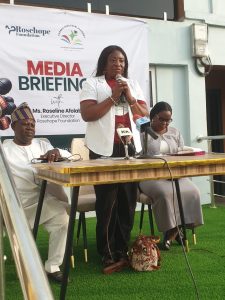
A new push to strengthen inclusive education and social welfare has taken shape in Ilorin as the Rose Hope Foundation unveiled a range of interventions targeting persons with special needs, the elderly and unemployed youths, while calling on authorities to prioritise investments in vulnerable populations.
The initiative, announced at Cadeau Spectrum Academy along Agba Dam Road in Ilorin, signals what the foundation describes as a long-term commitment to bridging gaps in care, education and empowerment for underserved groups across Nigeria.
Executive Director of the foundation, Rose Afolabi, said the organisation was established in April 2024 to confront the neglect faced by persons living with disabilities and elderly citizens, stressing that its programmes are designed to promote dignity and independence.
“The Rose Hope Foundation is a not-for-profit organisation dedicated to transforming lives through care, education and advocacy. Our focus is on individuals with special needs and the elderly, who are often underserved and overlooked in society,” she said.
Afolabi explained that the foundation’s interventions cut across specialised education through its Autism Academy, elderly care services, vocational training and community-based research aimed at influencing policy.
She said the organisation’s broader goal is to create a society where people living with disabilities are recognised for their abilities rather than their limitations.
“Our mission is to build an inclusive society where disabilities are not seen as limitations, but as opportunities for growth, dignity and meaningful contribution,” she added.
As part of its empowerment drive, the foundation announced a free vocational training programme open to all, including persons with disabilities. According to Afolabi, participants will be trained in practical skills such as tailoring, hairdressing and barbing to enhance self-reliance.
“We are pleased to announce our free vocational training programme… it is designed to equip participants with practical and creative life skills for independence and self-reliance,” she said.
Highlighting its education initiative, Afolabi described Cadeau Spectrum Academy as a specialised centre providing structured learning and therapy for children with autism. She noted that the name “Cadeau,” meaning gift, reflects the belief that children with autism should be nurtured and not hidden.
The academy offers tailored learning programmes, speech and language therapy, behavioural support, occupational therapy and creative engagement through arts and technology, all within a purpose-built environment that also accommodates boarding for continuous care.
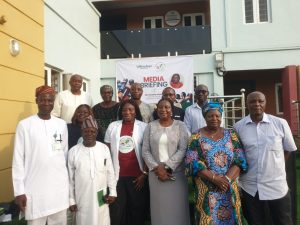
On elderly care, she stressed that ageing should not come with neglect, urging families and society to prioritise the well-being of senior citizens.
“We believe that growing old should never mean being forgotten. Elderly care is not just about medical support, it is about restoring dignity, independence and emotional well-being,” she said.
Afolabi disclosed that the academy has secured government approval and is already engaging relevant authorities to strengthen partnerships. She added that expansion plans are underway, with a new branch already operational in Epe, Lagos State.
She commended Kwara State Governor AbdulRahman AbdulRazaq for supporting special needs education, particularly through facilities such as the School for Special Needs in Apata Yakuba, Ilorin, while urging governments at all levels to scale up funding, infrastructure and manpower development in the sector.
“To parents, I say this with sincerity: there is hope. Your children are not defined by a diagnosis; they are full of potentials. At Cadeau Spectrum Academy, we are committed to walking this journey with you,” she said.
Also speaking, Rotarian Caroline Leo expressed confidence in the initiative, describing it as a model aligned with Rotary’s focus on humanitarian service and vocational development.
“We have actually been together from the beginning… the change here is amazing because we saw what it was like from the start,” she said.
Leo noted that the project had received early backing from Rotary members due to its emphasis on mental health, skills acquisition and social care, adding that it holds potential to become a major centre for rehabilitation and empowerment.
“We have confidence that this will come out big… people will buy it and embrace it,” she said.
She, however, urged individuals, philanthropists and non-governmental organisations to support such initiatives, noting that they often rely more on private contributions than government funding.
“Government has a role to play, but sometimes it’s not their priority. So individuals and philanthropists can throw their money into something meaningful like this,” she added.
Leo further stressed the growing importance of vocational skills in Nigeria’s economy, saying many young people are increasingly turning to hands-on trades for livelihood.
“What you can use your hands to do is what will bring you money… things are really changing,” she said, expressing optimism that the foundation would expand beyond expectations and attract wider support.