Stakeholders Back Dr. Toyin Alabi, Call for Equity, Fairness in Kwara Governorship Race
By Christie Doyin
Political stakeholders and community leaders in Kwara State have intensified calls for fairness, inclusiveness, and competence in the build-up to the 2027 governorship election, amid growing conversations surrounding the zoning and leadership direction of the state.
The calls followed increasing public debates over reports that some political interests are advocating the retention of the governorship position within Kwara Central, a development that has generated reactions from various groups across the state.
Observers argue that leadership decisions ahead of the election should reflect equity, justice, and the collective interests of all senatorial districts rather than sectional considerations.
Speaking on the matter, several stakeholders expressed concern over attempts to allegedly use prevailing security challenges in parts of Kwara South and Kwara North as political arguments against the emergence of candidates from the affected regions.
They maintained that insecurity remains a national challenge requiring urgent and coordinated responses rather than political exploitation.
According to them, Kwara Central itself remains largely diverse, with strong populations and voting blocs connected to Kwara South and Kwara North, making the state’s political reality broader than narrow regional calculations.
The stakeholders further stressed the need for leadership capable of addressing insecurity, promoting unity, and accelerating economic and social development across the state.
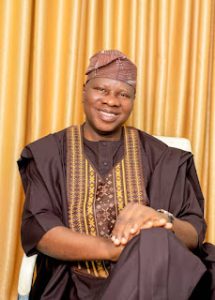
Among personalities receiving increasing public attention in the ongoing political conversations is Dr. Oluwatoyin Tajudeen Alabi (AOT), whose supporters describe him as a widely accepted figure with strong grassroots appeal and extensive experience in private sector leadership and community development.
Supporters of Dr. Alabi noted that his longstanding involvement in philanthropy, youth empowerment, education support initiatives, and social interventions across Kwara State has strengthened public confidence in his leadership capacity.
They also described him as a unifying figure with the ability to build consensus across political and regional divides.
According to them, the state requires a leader who understands the local realities of the people, prioritises security and economic growth, and remains committed to inclusive governance.
The stakeholders urged political leaders and party decision-makers to ensure that the governorship selection process reflects fairness, competence, and the overall interest of Kwara State.
They added that the future of the state depends largely on leadership capable of fostering unity, strengthening institutions, and restoring public confidence in governance.
As consultations and political alignments continue ahead of the 2027 election cycle, analysts believe the issues of equity, security, and inclusive leadership will remain central to political discussions across the state.