Stakeholders Warn Against Irregular Migration, Human Trafficking
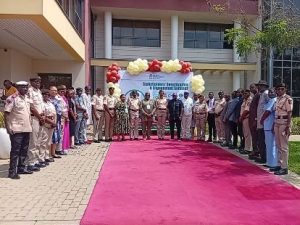
Stakeholders in the migration sector have warned against the dangers of irregular migration, including human trafficking, migrant smuggling and travel fraud, urging greater public awareness of safe and lawful migration pathways in Nigeria.
The call was made at a Stakeholder Sensitisation and Engagement Seminar themed “Bridging the Information Gap: Promoting Informed, Safe and Regular Migration” on Wednesday in Abuja.
Speaking, the NIS Comptroller General, Mrs Kemi Nandap, said misinformation, false promises and inadequate knowledge of lawful migration pathways could expose prospective migrants to serious risks.
Nandap, represented by Deputy Comptroller-General (DCG), Franca Nwanneka, in charge of the Visa and Residency Directorate, said people migrated daily in pursuit of education, employment, safety and better opportunities.
She noted that such aspirations were legitimate but could have devastating consequences when decisions were based on unreliable information.
“Human trafficking, migrant smuggling, travel fraud and irregular migration highlight the dangers associated with information gaps and inadequate intelligence sharing among operational stakeholders,”he said.
Nandap stressed that addressing the challenges required more than border control, adding that prospective migrants needed accurate, timely and reliable information to make informed decisions and pursue safe and lawful migration pathways.
She said the NIS continued to strengthen its operational capacity through institutional reforms, modern border management technologies, intelligence gathering and improved service delivery.
The Comptroller-General said the recent deployment of the border control and immigration management system, alongside other technology-driven platforms, reflected the Service’s commitment to building a modern, responsive and intelligence-led immigration system.
However, she acknowledged that sophisticated border management systems alone could not address the underlying factors driving irregular migration.
“Public sensitisation, community engagement and cooperation among relevant institutions remain central to addressing the challenges.
“Migration sensitisation is a shared responsibility that cannot be left to the Nigeria Immigration Service alone,” she said.
Nandap called on government agencies, security institutions, development partners, traditional and community leaders, civil society organisations, educational institutions, transport operators and the media to move beyond discussions.
She urged stakeholders to take coordinated and practical steps to combat misinformation and raise public awareness.
She emphasised the need to ensure that accurate migration information reached every community, particularly those most vulnerable to exploitation and irregular migration.
Nandap said the seminar’s presentations, roundtable discussions and technical sessions would enable stakeholders to examine existing approaches.
“They will also be able to identify institutional gaps and explore how innovation, community participation and inter-agency cooperation could improve migration management,”she said.
The NIS boss encouraged participants to contribute openly, share practical experiences and approach the discussions with a common sense of responsibility, noting that the diversity of expertise represented at the seminar was an important strength.
She appreciated partner institutions, development partners, resource persons and participants for their contributions to strengthening migration governance in Nigeria.
She expressed confidence that the deliberations would produce meaningful outcomes towards building a safer, smarter and more coordinated migration management system before declaring the seminar open.
Also speaking, the International Organisation for Migration (IOM), Chief of Mission in Nigeria, Mrs Sharon Dimanche reaffirmed the organisation’s commitment to supporting efforts to promote regular migration in Nigeria.
Dimanche, represented by Ms Nnenna Onuoha, Senior Programme Associate at IOM, said the partnership between IOM and NIS had continued to grow stronger and produce tangible results.
She described the seminar as another demonstration of the organisations’ ongoing collaboration.
According to her, the engagement provided an opportunity for stakeholders to deliberate on irregular migration and identify practical measures to make regular migration a more common practice in Nigeria.
She expressed the hope that the deliberations would be fruitful and produce actionable outcomes to strengthen efforts to promote regular migration in the country.
She reiterated IOM Nigeria’s goodwill towards the gathering and thanked participants.
Advertisement: