
Adimula seeks better deal for refugees through regional cooperation
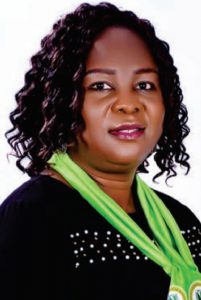
A Lecturer at the Centre for Peace and Strategic Studies (CPSS), University of Ilorin, Dr Ruth Abiola Adimula, has advocated regional cooperation that would offer support to refugees across climes.
Adimula made the call penultimate Tuesday (August 27, 2024) at the maiden edition of the Monthly Virtual Dialogue on Displacement and Humanitarian Support organised by the CPSS at the NOC Conference Room.
The don lamented that millions of people are forced to leave their homes every year due to conflict, violence, human rights violations, persecution, disasters, and the impact of climate change.
She disclosed that as of May 2024, the number of forcibly displaced people in the world has reached a staggering 120 million, marking another unprecedented and historic increase.
She added that continuous advocacy, research, and active engagement are crucial to safeguarding the rights of vulnerable populations and ensuring that they are respected.
According to her, “The number of refugees and persons in need of international protection climbed to 43.4 million, while the number of internally displaced persons rose to 68.3 million. 75 percent of the world’s refugees are hosted in low and middle-income countries, and this puts a strain on host communities and resources.”
Dr Adimula described a refugee as a person who has been forced to flee his country due to a well-founded fear of persecution based on specific grounds, such as race, religion, nationality, membership of a particular social group, or political opinion,
The lecturer said that such a category of people are unable or unwilling to return to their home countries because of the serious threat to either their safety or freedom.”
She added that the responsibility for their protection and assistance primarily lies with their national government, but due to various factors, including ongoing conflict or weak state capacity, IDPs often do not receive the support they need.
She said that the rise in forced human displacement remains a major concern across the world, particularly in Nigeria, due to continuous crises.
Dr Adimula noted that the legal framework for the protection of refugees and IDPs towards protecting their rights is crucial, morally and legally.
“Upholding their rights prevents further human rights violations and helps mitigate regional instability and conflict, which often arise from large-scale displacement.
Economically and socially, addressing these rights allows displaced individuals to contribute positively to host communities, reducing the burden on these societies and fostering social cohesion”, she said.
According to her, ensuring access to essential services like education and healthcare also promotes the long-term resilience and recovery of refugees and IDPs, enabling them to rebuild their lives and contribute to sustainable development.
“These actors can also help build the capacity of IDPs on their human, social, economic and political rights as well as empower them economically to have a voice that would speak, and the society would listen and advocate the various levels of Government”, she said.
Dr. Adimula said that the multi-faceted approach will strengthen legal frameworks, enhance implementation, promote cooperation, focus on durable solutions, and prioritise protection and uphold the rights and dignity of displaced persons.
In his remarks, the Director of the Centre for Peace and Strategic Studies, Prof. Abdulganiyu Ibrahim Jawondo, who also represented the Vice Chancellor, Prof. Wahab Olasupo Egbewole, SAN, at the virtual dialogue, explained that issues that lead to refugees and IDPs differ from one country to the other.
Prof. Jawondo further stated that the domestication of international laws will bring forth problems as countries are not in the same situation.
He said, “The continuous exclusion of our traditional rulers from the legal framework and accommodation of people in the country will cause issues as involving them will lead to easier legal work.