Kwara Govt Moves to Strengthen Women’s Leadership Through New Multi-Stakeholder Committee
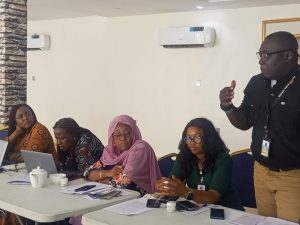
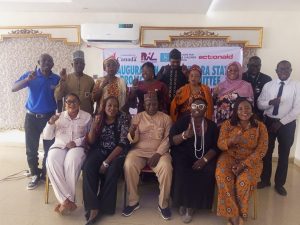
The Kwara State Government, in collaboration with civil society organisations, development partners and the private sector, has inaugurated a Project Steering Committee to drive the implementation of the Renewed Women’s Voice and Leadership (RWVL) Nigeria Project.
The committee, inaugurated in Ilorin, is expected to provide strategic direction for the project while fostering collaboration among government institutions, women’s groups and other stakeholders to promote gender equality and sustainable development.
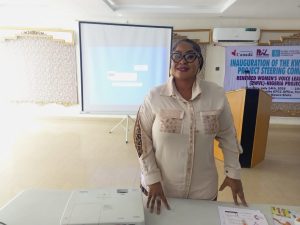
Speaking at the inauguration, the Chairperson and Chief Executive Officer of Global Hope for Women and Children Foundation (GLOHWOC), Dr. Christy Abayomi-Oluwole, said the focus would be on expanding women’s participation in leadership and boosting economic opportunities across the state.
According to her, the initiative is a significant milestone in strengthening women’s rights organisations and ensuring that women and girls in Kwara have greater opportunities to contribute to leadership and community development.
“Today’s inauguration is not merely the beginning of another committee; it is the beginning of a stronger movement for women’s leadership, rights, voice and economic empowerment in Kwara State,” she said.
Abayomi-Oluwole explained that the steering committee would establish governance and accountability mechanisms, strengthen coordination among stakeholders and develop strategies to sustain the project beyond donor funding.
She commended ActionAid Nigeria, Global Affairs Canada, the Government of Canada, government agencies, civil society organisations and the media for supporting the initiative.
According to her, GLOHWOC was selected to lead the implementation of the RWVL Nigeria Project in Kwara because of its strong institutional capacity, grassroots presence and commitment to promoting the rights of women and girls.
She reaffirmed the organisation’s commitment to transparency, inclusion, accountability and ensuring that every woman benefits from the intervention.
Speaking on the project’s long-term sustainability, she said empowering women economically would remain a key priority, stressing that stronger women’s organisations and increased financial independence would guarantee lasting impact.
“We need to build systems that continue to create impact long after project funding has ended. Strong organisations will continue serving women long after the project,” she stated.
She identified shea butter, cassava and groundnut processing, textile production such as Adire and Aso-Oke, as well as agro-processing, as sectors capable of increasing women’s incomes through value addition, branding, improved market access and digital commerce.
Abayomi-Oluwole also called for stronger collaboration with state ministries, local government councils, financial institutions, research organisations, cooperatives, development partners and the private sector to expand opportunities for women entrepreneurs.
The committee is also expected to strengthen women’s cooperatives, improve access to finance and markets, identify advocacy priorities and encourage greater community ownership of the project.
Members agreed to immediately establish communication platforms, prepare an annual work plan, identify priority advocacy issues and convene the committee’s first quarterly review meeting.
She urged all stakeholders to champion the objectives of the project within their organisations and communities.
“Together, let us ensure that every woman has a voice, every girl has an opportunity, and every community benefits from inclusive and sustainable development,” she said.