Beyond the Calm: Rethinking Security and Opportunity in Kwara’s Changing Landscape
By Christie Doyin
Kwara State, long celebrated as the “State of Harmony,” now finds itself grappling with a troubling reality, rising insecurity and growing anxiety among residents.
Once known for its relative peace, the state is increasingly confronted with reports of violent attacks and persistent threats to lives and livelihoods.
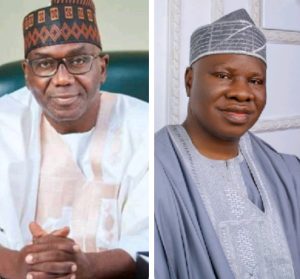
Despite these challenges, Governor Abdulrahman AbdulRazaq is regarded as a steady and understated leader. While some believe that his administration has recorded notable strides in key sectors such as education and healthcare, reflecting a governance style focused more on impact than rhetoric, there are many others finding it difficult to see what he has done, if any.
Yet, as insecurity deepens, attention is shifting toward what more can be done, and how.
Security experts and stakeholders argue that the current approach, heavily reliant on conventional military and police deployments, may no longer be sufficient.
Voices like Toyin Alabi are calling for a strategic pivot. Rather than simply increasing boots on the ground, they advocate deploying modern technology like drones, surveillance systems, and digital tracking tools to outmaneuver criminal elements.
This perspective stems from a broader concern: Nigeria’s security forces are stretched thin, battling threats on multiple fronts.
Continuing to rely solely on manpower, critics argue, exposes these forces to greater risk while yielding diminishing returns.
The emphasis, therefore, is shifting toward intelligence-driven operations and cutting off the supply chains that sustain criminal networks.
“Stop fighting ghosts, cut the supply,” has become a rallying call for those pushing this agenda.
The idea is straightforward but profound: disrupt the logistics, funding, and movement of armed groups, and their capacity to operate collapses.
Beyond security, the conversation about Kwara’s future is also expanding into economic transformation.
Alabi, also known as AOT, has outlined an ambitious vision centered on integrating tourism, agriculture, and education.
According to him, tourism alone holds untapped potential to create jobs and engage the state’s youthful population.
By aligning it with agriculture and education, he believes Kwara can build a more inclusive and resilient economy.
Meanwhile, political observers note that the state’s evolving dynamics present an opportunity for broader participation. With major political platforms emphasising inclusivity, there is growing sentiment that leadership should emerge from any of the senatorial districts, provided candidates demonstrate competence and vision.
As Kwara navigates this critical period, one thing is clear: the path forward will require both continuity and change.
While ongoing efforts by the government and security agencies deserve recognition, the urgency of the moment demands fresh thinking, innovation, and bold leadership.
For many residents, the hope is simple, that the State of Harmony can once again live up to its name.